Best tools
Best Ecommerce Analytics Tools with AI Insights
Compare ecommerce analytics tools by AI insight quality, attribution, cohorts, Shopify reporting, data freshness, anomaly detection, warehouse fit, and owner workflow.
Ecommerce teams do not need another dashboard that describes yesterday. They need analytics that help decide what to change: which channel deserves budget, which cohort is weakening, which product category is hiding margin loss, which campaign created bad-fit traffic, and which anomaly needs an owner today.
AI insights help when they reduce analysis time and point to a decision. They create noise when they turn every movement into a vague alert. The right tool depends on the decision job, not the number of charts on the homepage.
TLDR
- Use Triple Whale when the team wants ecommerce-focused marketing analytics, attribution views, contribution margin context, and operator-friendly reporting.
- Use Northbeam when paid media attribution, incrementality thinking, and channel-level measurement depth matter.
- Use GA4 and Shopify Analytics as the baseline truth for traffic, events, orders, product performance, and store reporting.
- Use Daasity, BigQuery, Snowflake, or warehouse-led reporting when the team needs controlled data models across store, ads, retention, finance, and inventory.
- Treat AI insights as prompts for investigation. Do not let a model reallocate budget or change pricing without a named owner and guardrail metrics.
Match the analytics tool to the decision
| Decision job | Tools to shortlist | Proof to request |
|---|---|---|
| Daily ecommerce trading | Shopify Analytics, Triple Whale | Revenue, margin, product, channel, and inventory views |
| Paid media attribution | Northbeam, Triple Whale, GA4 | Channel comparison, attribution assumptions, incrementality support |
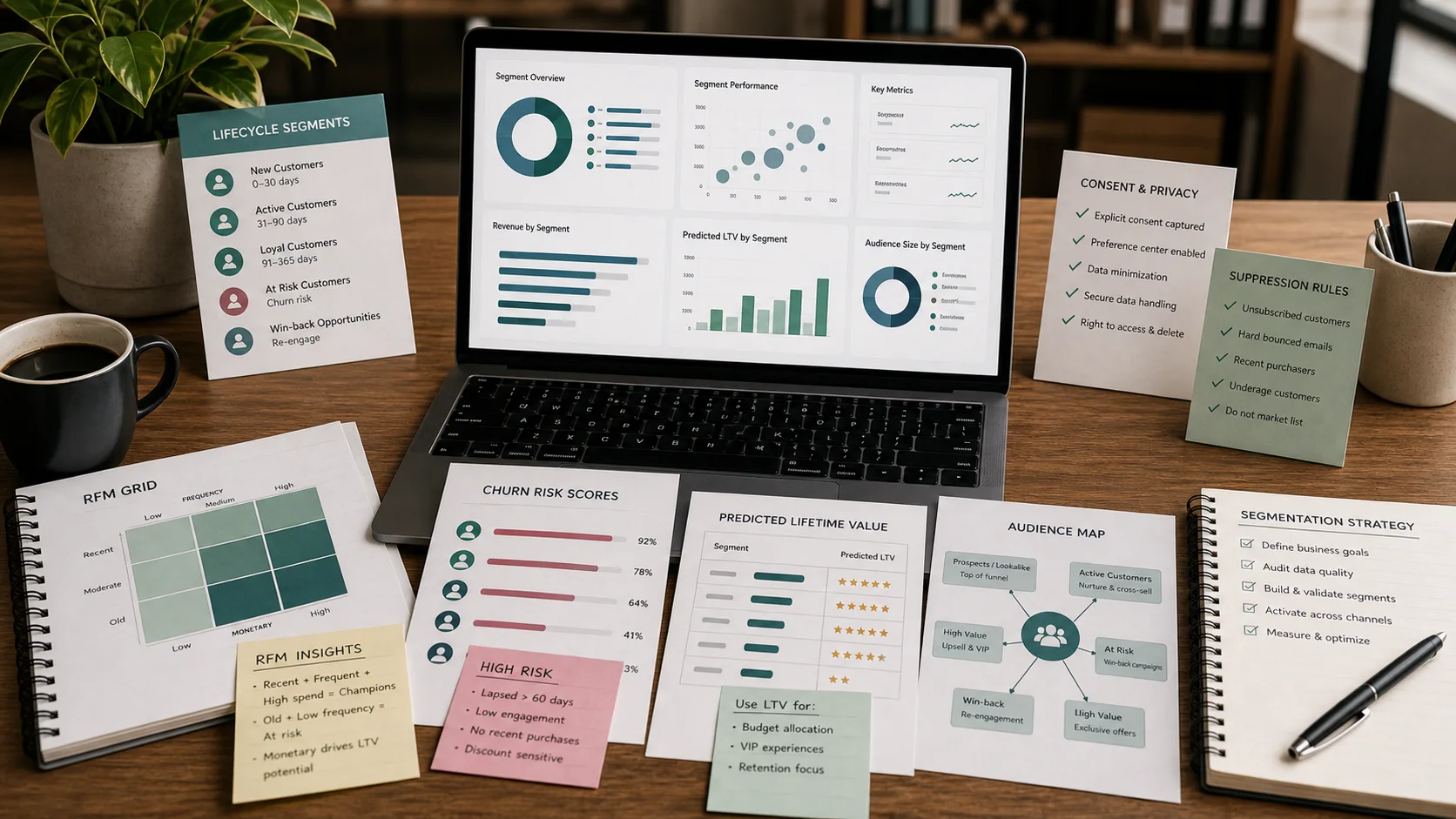
| Cohort and retention review | Shopify reports, Klaviyo, Daasity, warehouse BI | Repeat purchase, LTV, churn, product affinity |
| Anomaly detection | Triple Whale, Northbeam, GA4, BI alerts | Alert logic, false positives, owner routing |
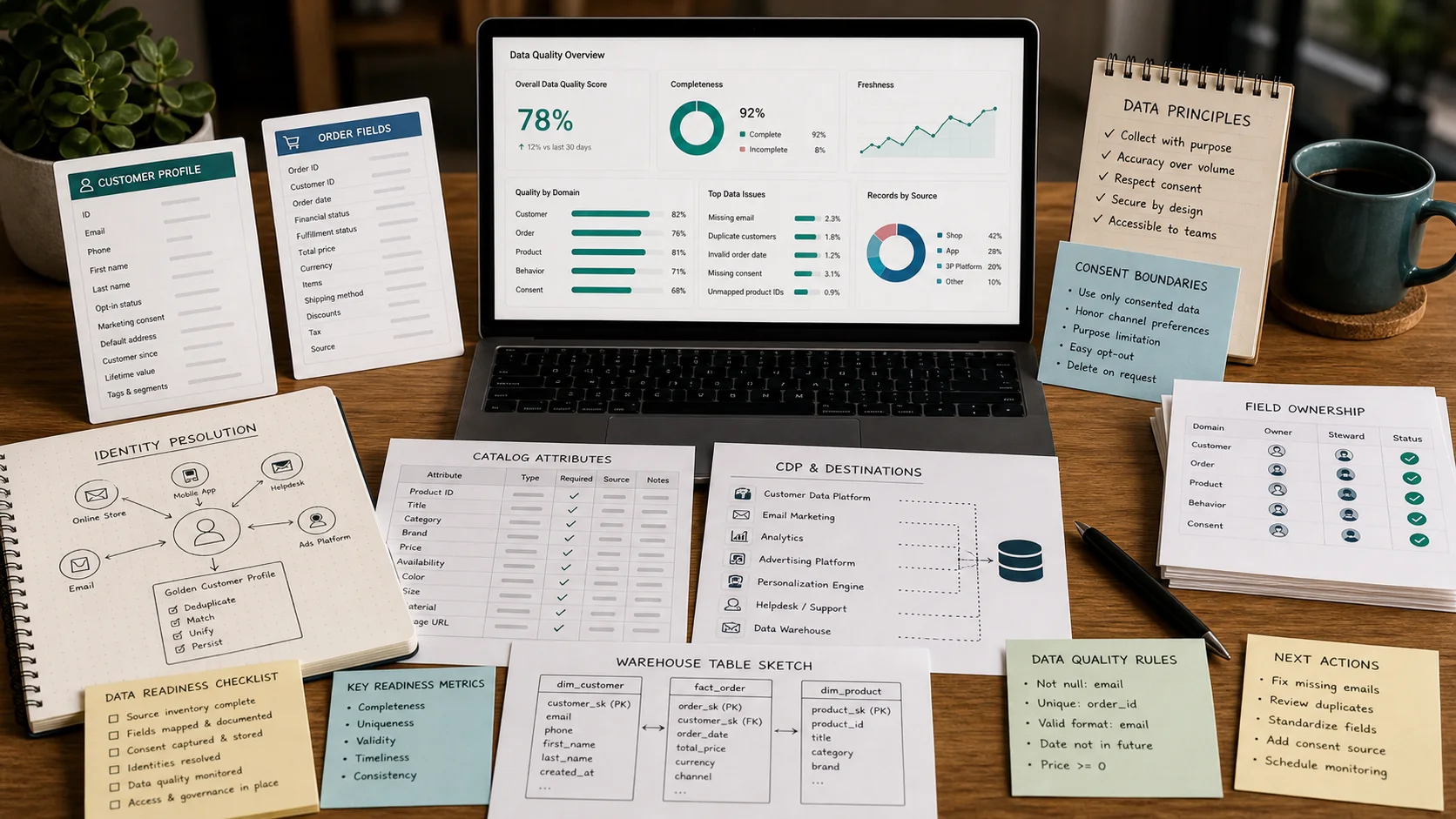
| Data modelling | Daasity, BigQuery, Snowflake | Freshness, joins, field definitions, lineage |
| Executive reporting | Triple Whale, Northbeam, BI tools | Clear business metrics, margin context, caveats |
The best analytics stack usually has a baseline source, a marketing attribution view, and a governed reporting layer.
Triple Whale fits ecommerce operators who need one trading view
Triple Whale is a strong shortlist option when the team wants ecommerce reporting built around store performance, marketing channels, contribution context, product views, and daily operating rhythm.
The useful question is not whether it has AI. Ask whether the team can answer practical questions faster:
- Which campaigns created profitable customers?
- Which products drove revenue but hurt margin?
- Which cohort is weakening?
- Which channel changed enough to investigate?
- Which metric is stale or missing?
Triple Whale is most useful when a founder, growth lead, or operator needs a shared cockpit for trading decisions. It is weaker if the team expects it to replace clean data ownership.
Northbeam fits paid media measurement depth
Northbeam belongs on the shortlist when attribution quality is central. It is relevant for teams spending enough on paid media that platform-reported results no longer give a reliable planning view.
Ask how Northbeam explains attribution assumptions, model differences, channel overlap, lag windows, and incrementality. A good attribution tool should make uncertainty visible. If it only gives a single confident number, the team may overreact.
Use Northbeam-style analytics for budget decisions, channel mix review, creative learning, and cohort-level payback discussions.
GA4 and Shopify Analytics are the baseline layer
Google Analytics 4 and Shopify Analytics should stay in the stack even when a specialist tool is added. They provide baseline traffic, event, order, product, and store reporting that helps validate other tools.
Shopify Analytics is close to the commerce record. GA4 helps explain acquisition and onsite behaviour. Neither should be treated as perfect. Both need correct configuration, event hygiene, and clear definitions.
When numbers disagree, do not pick the nicer number. Document what each system measures, when it refreshes, and which decision it is allowed to inform.
Daasity and warehouse paths fit mature data teams
Daasity and warehouse-led setups make sense when the team needs controlled data models across ads, ecommerce, retention, inventory, finance, and fulfilment. This path is useful when leadership wants consistent definitions for LTV, gross margin, contribution margin, CAC, payback, repeat purchase, and product profitability.
The trade-off is ownership. A warehouse model needs data engineering, documented fields, refresh checks, and business owners. Without that, the team gets a more expensive version of the same confusion.
Choose a warehouse path when the business has outgrown tool-level reporting and needs a governed source for decisions.
AI insights need a quality check
Do not accept every AI insight as meaningful. Test each one with five checks:
| Check | Question |
|---|---|
| Source | Which tables, events, or reports produced this insight? |
| Freshness | Is the data current enough for the decision? |
| Segment | Which product, channel, cohort, or device does it affect? |
| Impact | Does it change budget, merchandising, pricing, retention, or operations? |
| Owner | Who investigates and decides the next action? |
An insight with no owner is just a notification.
Build the weekly analytics rhythm
Use a fixed review cadence:
- Review revenue, margin, conversion, AOV, and traffic mix.
- Check channel performance against attribution caveats.
- Review cohort and repeat purchase changes.
- Inspect product and category outliers.
- Assign owners to anomalies.
- Record decisions and expected impact.
- Revisit the decision after enough data has arrived.
This rhythm matters more than another chart. Analytics improves performance only when decisions are logged and reviewed.
Final recommendation
Use Shopify Analytics and GA4 as the baseline. Add Triple Whale when the team needs ecommerce trading and marketing views in one operating layer. Add Northbeam when paid media attribution needs deeper judgement. Move toward Daasity or a warehouse-led setup when definitions, joins, and executive reporting need governance.
The best AI analytics tool is the one that makes weak assumptions visible and turns signal into assigned decisions.