Alternative
Gorgias Alternatives for Shopify Brands in 2026
Compare the best Gorgias alternatives for Shopify brands by switch reason, AI depth, Shopify workflow fit, migration risk, and pricing exposure.
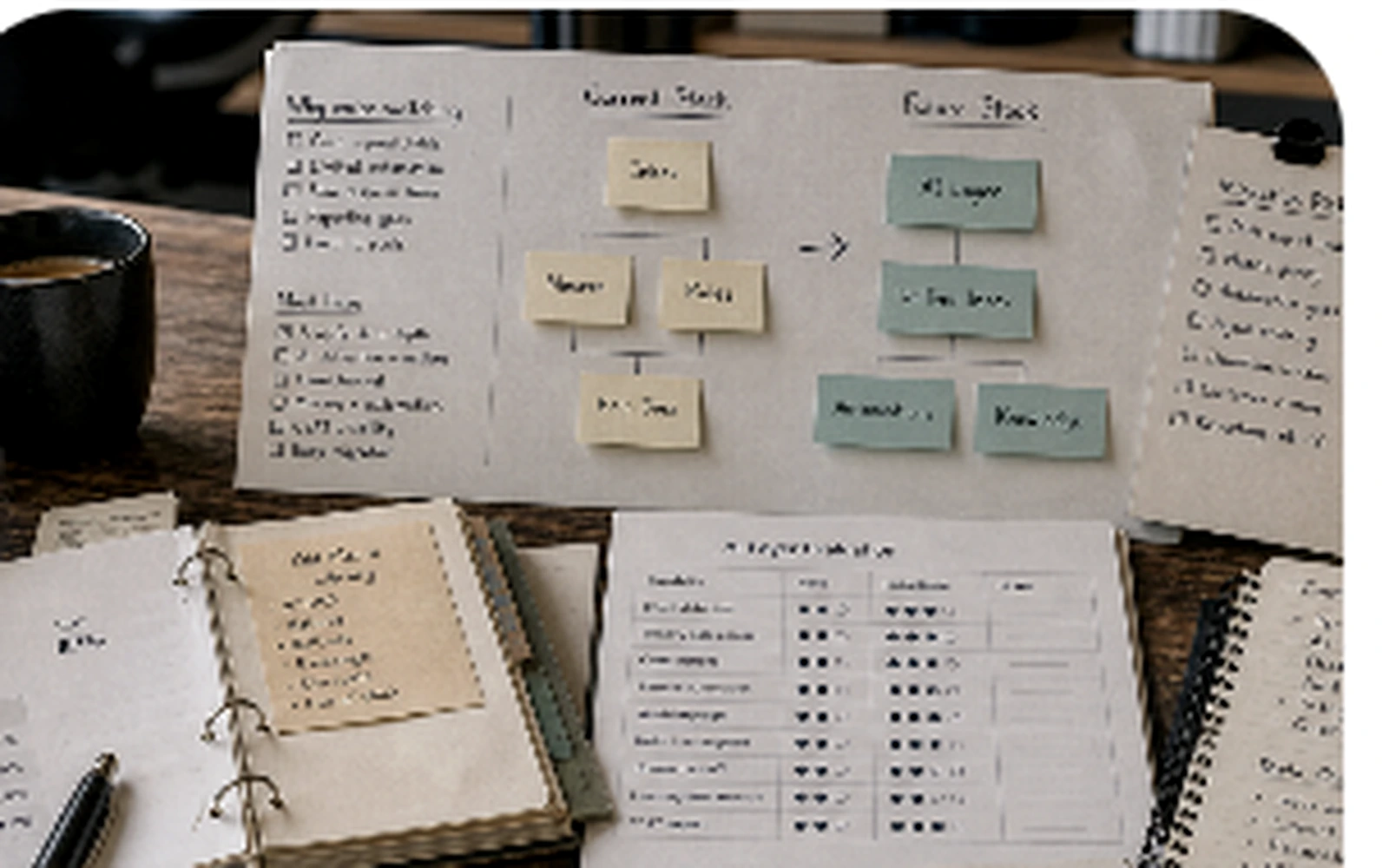
TL;DR alternatives by switch reason
If you are looking for a Gorgias alternative, start with the reason you want to switch. Gorgias is still a strong Shopify-native helpdesk. The mistake is replacing it with a cheaper or flashier tool that cannot handle the workflows your team already depends on.
Choose YourGPT first if the switch trigger is AI-first support, faster deployment, flexible ecommerce automation, or adding an AI layer without rebuilding your whole helpdesk.
Choose Zendesk if the switch trigger is enterprise helpdesk governance, deeper reporting, admin controls, and support operations beyond Shopify.
Choose Intercom and Fin if the switch trigger is outcome-priced AI and customer messaging.
Choose Freshdesk if the switch trigger is broader service operations across ecommerce, payments, fulfilment, and non-Shopify support workflows.
Choose Re:amaze if the switch trigger is value: inbox, chat, social, FAQ, workflows, and AI assistance without a heavy enterprise build.
Choose Help Scout if the switch trigger is human-first simplicity with useful Shopify context.
Choose Kustomer if the switch trigger is CRM-style customer context, timelines, segmentation, and larger CX operations.
Keep Gorgias if your team depends heavily on Shopify-native order, return, cancellation, and helpdesk workflows and the cost still makes sense. In that case, adding an AI layer may be smarter than migrating.
Check whether Gorgias is actually the problem before switching
Gorgias is not a weak platform. Its official AI Agent documentation says it can use Shopify customer and order data, website content, help centre articles, URLs, documents, and guidance. It also supports skills, knowledge, human handover, automations, and order-management features. Gorgias' Shopify order action documentation says AI Agent Actions can make changes to Shopify orders, including cancelling an order, changing a shipping address, and removing items when configured.
That depth is the reason many Shopify brands choose Gorgias in the first place. If your team uses those workflows every day, switching can create more pain than it removes.
The real reasons to look beyond Gorgias are more specific:
- You like Gorgias, but ticket-volume and AI-interaction pricing feels hard to forecast.
- You want an AI-first layer that can launch faster than a full helpdesk change.
- You need broader enterprise reporting, routing, and governance.
- You want a simpler inbox because your team does not use Gorgias' deeper workflows.
- You want customer context to live in a CRM-style timeline.
- You need a different channel, voice, or workflow model.
If you cannot name the switch trigger, do not migrate yet. Audit the last 90 days of tickets first. Identify which workflows Gorgias resolves well, which workflows are expensive, and which workflows still need humans.
Cost model for comparing Gorgias alternatives
Gorgias pricing is not only a monthly platform fee. Its public pricing page says AI Agent interactions are priced at $0.90 each on annual plans or $1.00 on monthly plans, and each AI Agent interaction also counts as a helpdesk ticket. The Shopify App Store listing shows ticket-volume plans with included ticket allowances and overage charges.
That does not mean Gorgias is too expensive. It means you need to model cost against your actual support volume.
| Cost model | What changes the bill | What to ask before switching |
|---|---|---|
| Ticket-volume pricing | Total bill can rise with more customer conversations | How many billable tickets do we create in normal and peak months? |
| AI interaction pricing | AI-resolved or AI-handled conversations can add a second cost layer | Does the AI interaction also count as a ticket? |
| Seat pricing | Cost rises with agent count rather than conversation volume | Are seasonal agents or part-time agents included? |
| Outcome pricing | Cost depends on what the vendor defines as a successful outcome | What counts as an outcome, and what happens after handoff? |
| Session pricing | Cost depends on AI session volume | How is a session counted across channels and repeat contacts? |
| Implementation cost | Migration, API work, workflow rebuild, and training take time | Who owns setup and maintenance after launch? |
The cheapest-looking alternative can become expensive if it requires custom work, weakens support workflows, or forces agents to handle more conversations manually.
1. YourGPT is the first alternative for AI-first Shopify support
YourGPT is the best first alternative when the reason to look beyond Gorgias is AI-first support. Its Shopify integration page says it can set up AI support that understands products, orders, and store details. Its integrations page positions YourGPT as a no-code AI-agent platform that connects with tools and platforms.
Choose YourGPT if you want to test an AI support layer before changing the whole helpdesk. That is the practical path for many Shopify teams: automate common questions, connect knowledge and store context, support customers across channels, and hand off when a human is needed.
YourGPT also makes sense when you like parts of Gorgias but want more flexible AI deployment. Instead of moving every ticket, tag, macro, and channel immediately, you can test a focused AI layer against one or two workflows: order questions, return policy, product guidance, or pre-sales support.
Migration risk: medium. If YourGPT becomes the AI layer rather than a full helpdesk replacement, risk is lower. If you plan to replace Gorgias entirely, validate ticketing, handoff, reporting, and Shopify workflow coverage first.
Demo proof: ask YourGPT to answer a product question, check a return policy, handle an order-related query, escalate an angry customer, and pass the conversation context into your support workflow.
2. Zendesk is the alternative for enterprise helpdesk governance
Zendesk is the Gorgias alternative for teams that have outgrown a commerce-first helpdesk and need broader support operations. Its pricing page lists Support Team at US$19 per agent per month paid yearly, while Suite Team at US$55 per agent per month includes AI agents, knowledge base, Action Builder, omnichannel routing, messaging/live chat, and telephony.
Choose Zendesk if your support team needs deeper routing, reporting, permissions, SLAs, admin controls, workforce processes, and multi-brand operations. Zendesk is especially relevant when ecommerce support is only one part of a larger customer service organisation.
The trade-off is implementation. Zendesk can support Shopify workflows through integrations and API work, but Zendesk's own customer-order AI article says Shopify-style order-status workflows may require a custom script and API request step. That is not a blocker. It is a planning requirement.
Migration risk: high for brands that depend on Gorgias' Shopify-native workflows. Exporting tickets is not enough. You need to rebuild macros, views, tags, automations, integrations, reporting, channel routing, and agent habits.
Demo proof: ask Zendesk to show Shopify order context inside the agent workspace, AI order-status handling, routing rules, SLA reporting, handoff visibility, and the exact work required for API-based ecommerce data.
3. Intercom and Fin fit teams that want outcome-priced AI
Intercom and Fin are worth testing when the switch trigger is AI economics. Fin's Shopify App Store listing says Fin AI Agent can work with Intercom or your current helpdesk and shows pricing from $0.99 per outcome. Intercom's ecommerce setup documentation describes a Shopify connection flow for Fin for Ecommerce.
Choose Intercom and Fin if you want a strong AI customer service layer and are comfortable comparing cost by resolved outcomes rather than only seats or tickets. This can be attractive when your team wants to align AI spend with customer conversations that actually get resolved.
The trade-off is that outcome pricing needs careful definitions. You need to know what counts as an outcome, how handoffs are billed, what channels are included, and how ecommerce context is retrieved.
Migration risk: medium. It can be lower if Fin works alongside your current helpdesk. It becomes higher if you move broader inbox, reporting, and agent operations into Intercom.
Demo proof: ask Fin to connect to Shopify, answer order and product questions, explain its outcome definition, and show what the support team sees after handoff.
4. Freshdesk fits broader support teams beyond Shopify workflows
Freshdesk is a sensible Gorgias alternative when support is wider than Shopify. Freshworks says Freddy AI Agent includes more than 50 agentic workflows and integrations with Shopify, Stripe, PayPal, FedEx, and more. Freshdesk also has a broader service-desk posture that can fit teams handling ecommerce plus other support operations.
Choose Freshdesk if you want a helpdesk that can cover ecommerce, payments, shipping, customer service, and broader operations in one system. It is relevant for teams that need a balance of ticketing, omnichannel support, AI workflows, and service process management.
The trade-off is packaging. Freddy AI Agent sessions and Freddy AI Copilot licences are managed as add-ons, so you need a clear quote and usage model before comparing it with Gorgias.
Migration risk: medium to high. Freshdesk is established, but you still need to rebuild Gorgias-specific Shopify workflows, tags, macros, help centre references, automations, and order-handling processes.
Demo proof: ask Freshdesk to show Shopify order context, payment and shipping integrations, Freddy AI workflow setup, add-on pricing, and how agents audit AI-handled conversations.
5. Re:amaze is the practical value alternative for growing stores
Re:amaze is a practical alternative when the team wants a broad support inbox without a heavy enterprise platform. It positions itself around chat, social, SMS, FAQ, and email in one platform. Its AI Conversations documentation says Suggest a Response can generate replies and include order information such as order status, tracking information, and tracking links when the customer provides an order number.
Choose Re:amaze if you want live chat, email, social channels, FAQ, workflow automation, and AI assistance in a straightforward package. It is strongest for growing Shopify brands that need more than Shopify Inbox but less than a complex enterprise rollout.
The trade-off is depth. Re:amaze may be the better value choice, but you should test whether its AI and Shopify workflows are deep enough for the issues that made Gorgias useful.
Migration risk: medium. Re:amaze is comparatively approachable, but your team still needs to rebuild automations, channel connections, help centre content, and reporting.
Demo proof: ask Re:amaze to answer an order-status question, suggest a response using Shopify order details, handle chat-to-email continuity, and show workflow automation around returns or shipping questions.
6. Help Scout fits human-first support with clean Shopify context
Help Scout is the alternative for teams that want support to feel simpler. Its Shopify integration page says agents can access order status, receipts, tracking information, and more directly in the sidebar. Help Scout's Shopify docs also say agents can view order details and refund, cancel, edit, or duplicate the customer's most recent orders from the sidebar.
Choose Help Scout if your team cares most about a clean inbox, human support quality, simple workflows, and useful Shopify context. This is a good fit for brands where support volume is manageable and the team does not need heavy automation.
The trade-off is AI depth. Help Scout includes AI features in its broader product and Shopify App Store plan display, but it is not the same proposition as a commerce-first AI helpdesk or an AI-first support agent layer.
Migration risk: low to medium if your Gorgias setup is simple. It is high if you rely on complex Gorgias automations, revenue workflows, and deep Shopify actions.
Demo proof: ask Help Scout to show Shopify customer context, order actions, inbox workflows, AI assistant behaviour, routing, and reporting.
7. Kustomer fits CRM-style customer context at scale
Kustomer is the Gorgias alternative for teams that want support to sit inside a broader customer timeline. Its Shopify integration page says teams can access order data, customer history, and fulfilment details in one view. It also highlights chronological timelines and segmentation using Shopify data.
Choose Kustomer if your CX team needs a CRM-style workspace, deeper customer context, customer segmentation, and omnichannel support at scale. It is a strong fit when support, loyalty, retention, and customer history need to be tightly connected.
The trade-off is complexity and cost visibility. Kustomer is not usually the lightest move for a Shopify brand looking for a cheaper inbox. It is better for teams that need more customer context, not less.
Migration risk: high. A move into a CRM-style support platform requires careful data mapping, workflow design, reporting setup, and team training.
Demo proof: ask Kustomer to show the Shopify timeline, fulfilment context, segmentation, AI-assisted support, channel history, and reporting for repeat customers.
When to keep Gorgias and add an AI layer
Do not migrate just because another tool has a lower entry price. Keep Gorgias if your team uses Shopify-native actions every day, if agents depend on existing macros and workflows, if ticket history is clean, and if the current cost is justified by operational speed.
The better move may be to add an AI layer. This is especially true when the main pain is repetitive questions, not helpdesk structure. YourGPT, Fin, or another AI layer can sit in front of or beside the existing helpdesk, handle common questions, and send context to human agents when needed.
This approach lowers migration risk. You keep the support system your agents understand while testing whether AI can reduce volume, improve response time, or guide shoppers. If the AI layer proves value, you can decide later whether the helpdesk itself needs to change.
Migration checklist before replacing Gorgias
Before replacing Gorgias, document what you are actually using.
- Export ticket history, tags, macros, customer fields, and help centre references.
- List every channel connected to Gorgias: email, chat, SMS, social, voice, WhatsApp, Messenger, and ads comments.
- Map automations, rules, flows, AI Agent skills, and order-management actions.
- Identify Shopify actions agents use: order lookup, refund, cancellation, address change, return status, product recommendations, discounts, and upsell prompts.
- Document reporting needs: response time, resolution time, CSAT, revenue influenced, automation rate, AI handoff rate, and refund volume.
- Rebuild the top five workflows in the new tool before moving all channels.
- Run both systems in parallel for one workflow if possible.
- Train agents on the new handoff, escalation, and tagging rules.
- Keep rollback access until the new system has survived a high-volume week.
Migration is not a badge of progress. It is an operational risk. Move only when the alternative solves the switch trigger clearly.
Recommended shortlist by switch trigger
If the trigger is AI-first support, shortlist YourGPT, Fin, and Gorgias AI Agent. YourGPT should be the first demo if you want a flexible AI layer around ecommerce support.
If the trigger is cost predictability, compare YourGPT, Re:amaze, Help Scout, and Freshdesk. Model your real peak-month volume before deciding.
If the trigger is enterprise governance, compare Zendesk, Kustomer, and Freshdesk.
If the trigger is human-first simplicity, compare Help Scout and Re:amaze.
If the trigger is CRM-style customer context, compare Kustomer and Zendesk.
If the trigger is Shopify-native workflow depth, do not rush away from Gorgias. Test whether the alternative can actually replace the actions your team uses every day.
The right Gorgias alternative is the one that solves the pain that made you search in the first place. Anything else is just a different logo with a new migration project attached.