Definition
WISMO
"Where is my order?". The high-volume support intent asking for shipment status, tracking, and delivery timing after checkout.
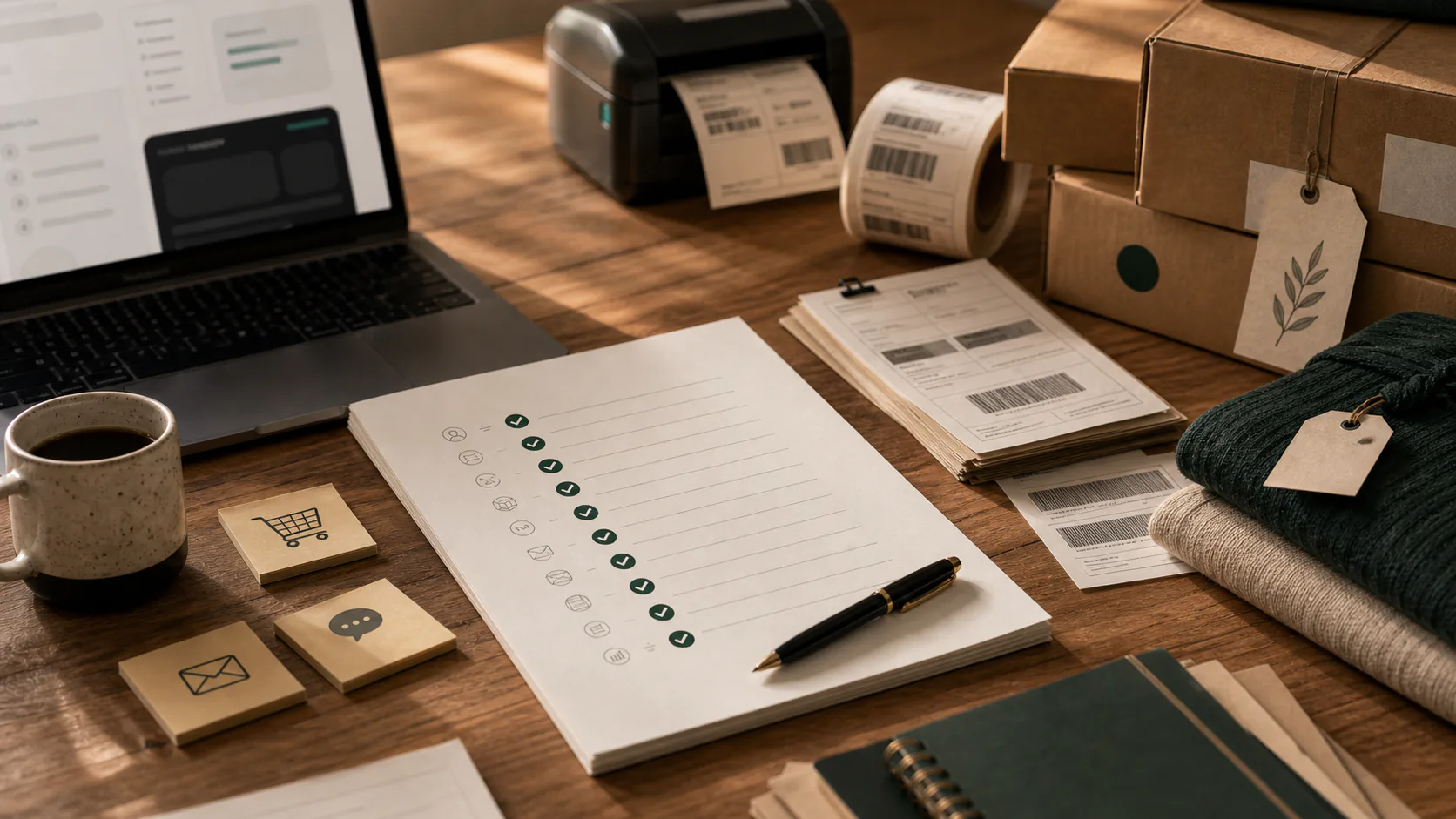
WISMO means "Where is my order?". The cluster of post-purchase questions about whether an order shipped, where the parcel is, when it will arrive, and why tracking looks stuck. It is usually the highest-volume intent in ecommerce support because every paid order creates a delivery promise. WISMO is not solved with a friendlier FAQ paragraph. It needs live order context, carrier events, and honest last-mile exceptions.
When those systems lag, tickets explode, chargebacks rise, and AI agents that guess tracking numbers make the brand look broken. Treat WISMO as an operations and data product, not a macro library.
What counts as WISMO (and the intents hiding inside it)
At surface level, WISMO is status-seeking after payment. Underneath, tickets split into distinct jobs: not-yet-shipped anxiety (still in warehouse), in-transit tracking help, stuck-in-transit or no scan updates, "delivered" but missing (porch piracy, wrong door, carrier lie), address change before ship, split shipments, and international customs holds. Each job needs different data and policy. A single "here's how to track" macro fails half of them. Tag intents finely in your helpdesk.
Volume that looks like one mountain is often a warehouse cut-off problem plus a carrier exception problem plus a "tracking email went to spam" problem. Gift orders, guest checkout, and marketplace-fulfilled lines add authentication complexity. Define SLAs by subtype: a missing package after delivery scan is urgent; a same-day "did you get my order?" one hour after purchase is education and self-serve.
Reporting only "WISMO % of tickets" without subtypes will send you to the wrong fix.
What drives WISMO ticket volume
Every order is a promise with a clock. Shoppers refresh tracking more than they reread your about page. Peak seasons multiply parcels, exception rates, and delivery variance while support headcount rarely scales 1:1. Long transit, vague EDDs ("5–10 business days"), and carriers that skip scan events manufacture contact. So do brands that mark fulfilled when a label is printed but the bag still sits on a shelf.
Tracking that does not move is a ticket generator. Economics favor deflection only when the answer is correct. A wrong "it will arrive tomorrow" creates a second contact and chargeback risk. Compare WISMO cost (agents, tools, goodwill reships) to prevention cost (better pack SLAs, branded tracking pages, proactive delay SMS). Finance should see WISMO as a variable cost tied to fulfillment quality, not only as a CX vanity metric.
If ticket volume scales linearly with orders while ship performance worsens, growth is buying a support hole.
Last-mile delivery: where most WISMO pain actually lives
Last-mile is the final leg from local hub to door: the most expensive, exception-prone stretch of logistics. Failed delivery attempts, incorrect EDDs, neighbor deliveries, locker holds, and "delivered" GPS pings two streets away all land as WISMO. Your 3PL or warehouse can hit pack SLA and you still drown in tickets if the carrier network is melting or residential access is hard. Last-mile quality is part of the product you sold.
Operational levers: choose services with reliable scan density for your zones, surface carrier exceptions in the helpdesk, offer pickup-point options where door delivery fails often, and set marketing promises to the P50/P90 you can keep, not the best-case brochure. For missing-after-delivery, publish a clear claims window and photo-of-delivery workflow with the carrier. Support without carrier APIs or 3PL portals will manually babysit every exception.
Link WISMO dashboards to last-mile delivery exception rates so ops and CX argue from the same graph.
Tool calling: live order lookup beats FAQ guesses
FAQ chatbots recite shipping policy. WISMO needs tool calling: the model requests a function such as `get_order_status(order_id, email)`, your app queries Shopify/WooCommerce and carrier tracking, and the model answers from returned JSON. That loop is how agents state fulfillment status, tracking numbers, and last scan times without inventing them. Read-only order tools are the correct first production use case: low blast radius, high volume.
Hard rules: authenticate ownership (email + order name, magic link, or logged-in session) before returning PII or tracking. Filter payloads so the model does not see full payment details. On API failure or no match, the agent must say it cannot find the order and escalate, not fabricate a tracking number. Write tools (address edit, cancel, refund) stay behind confirmation and narrow scopes.
Pair tools with the order context test: split shipments, partial fulfillments, and guest orders must resolve correctly before you claim automation wins. Community threads about support AI failing messy orders are almost always tool-and-context failures, not "the model isn't smart enough."
Proactive notifications and self-serve tracking
The best WISMO ticket is one that never opens. Send order confirmation, shipment confirmation with carrier + tracking URL, and exception alerts when scans stall or delivery fails. Branded tracking pages that explain the next step beat raw carrier gibberish. Post-purchase SMS helps when email is slow, with proper consent. If you promise a delivery date, update the shopper when the date slips. Silence is what drives bank disputes.
Self-serve: logged-in order history, guest order lookup, and chatbot entry points that start with authentication then tool lookup. Suppress duplicate tickets when a customer already opened a case on the same order. Align marketing EDDs with warehouse cut-offs and carrier transit realities by zone.
Measure proactive coverage: percent of fulfilled orders with a tracking email within X minutes of ship, percent of exception events that triggered an outbound notice, and contact rate per shipment. Those metrics predict WISMO load better than CSAT alone.
Containment, deflection, and when to escalate
Containment means the customer got a correct resolution without a human. Deflection sometimes means they bounced off a bot empty-handed. Do not celebrate that. For WISMO, successful containment is: authenticated lookup, accurate status, clear next step (wait, claim, reship policy), and no repeat contact within a defined window. Track repeat contact rate on the same order ID as a quality kill-switch for automation.
Escalate when: delivery scan says delivered but customer has no package past your investigation window, high-value loss, fraud signals, customs clearance documents, or emotional threat of chargeback with incomplete data. Hand off full transcript + tool results so humans do not re-ask for the order number. Ticket deflection programs should publish separate WISMO accuracy audits. Sample conversations weekly against live carrier truth. Automation that scales wrong answers scales refunds.
The mature state is high containment on clean in-transit asks, fast human paths on exceptions, and ops SLAs that shrink the exception pile at the source.
Common questions
Frequently asked questions
What does WISMO mean?
WISMO stands for "Where is my order?" It covers post-purchase questions about shipment status, tracking, and delivery timing, and is usually the largest support volume category for ecommerce brands.
Why do AI chatbots fail at WISMO?
Because they answer from static FAQs instead of live order and carrier data. Without authenticated tool calling into Shopify/WooCommerce and tracking APIs, models guess or give generic shipping windows that do not match the parcel.
How is last-mile related to WISMO?
Most painful WISMO cases happen on the final delivery leg: failed attempts, false delivered scans, delays, and locker/pickup confusion. Warehouse performance can be fine while last-mile exceptions still flood support.
What is the fastest way to reduce WISMO tickets?
Proactive tracking and exception notifications, realistic delivery promises, a self-serve order tracker, and accurate fulfillment timestamps (no label-created-as-shipped lies). Then automate clean status lookups with tools.
Should support AI be allowed to refund WISMO cases automatically?
Not by default. Start with read-only status and policy explanation. Reships and refunds for missing packages need rules, fraud checks, and often human approval, especially on high-value orders.
Related terms