Definition
Third-party logistics (3PL)
Outsourced warehousing, pick-and-pack, and shipping so a specialist holds your inventory and fulfills DTC orders under agreed SLAs.
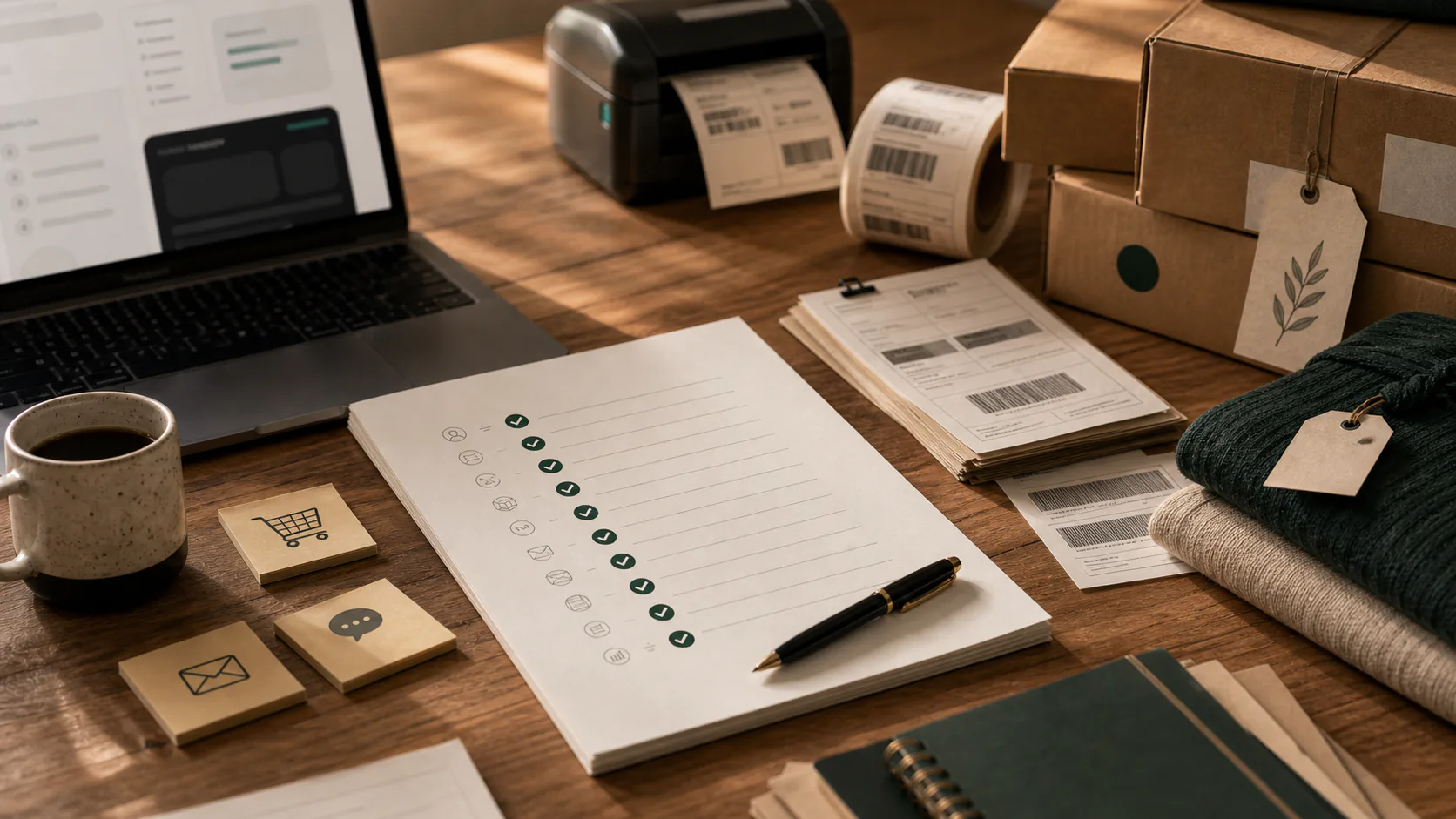
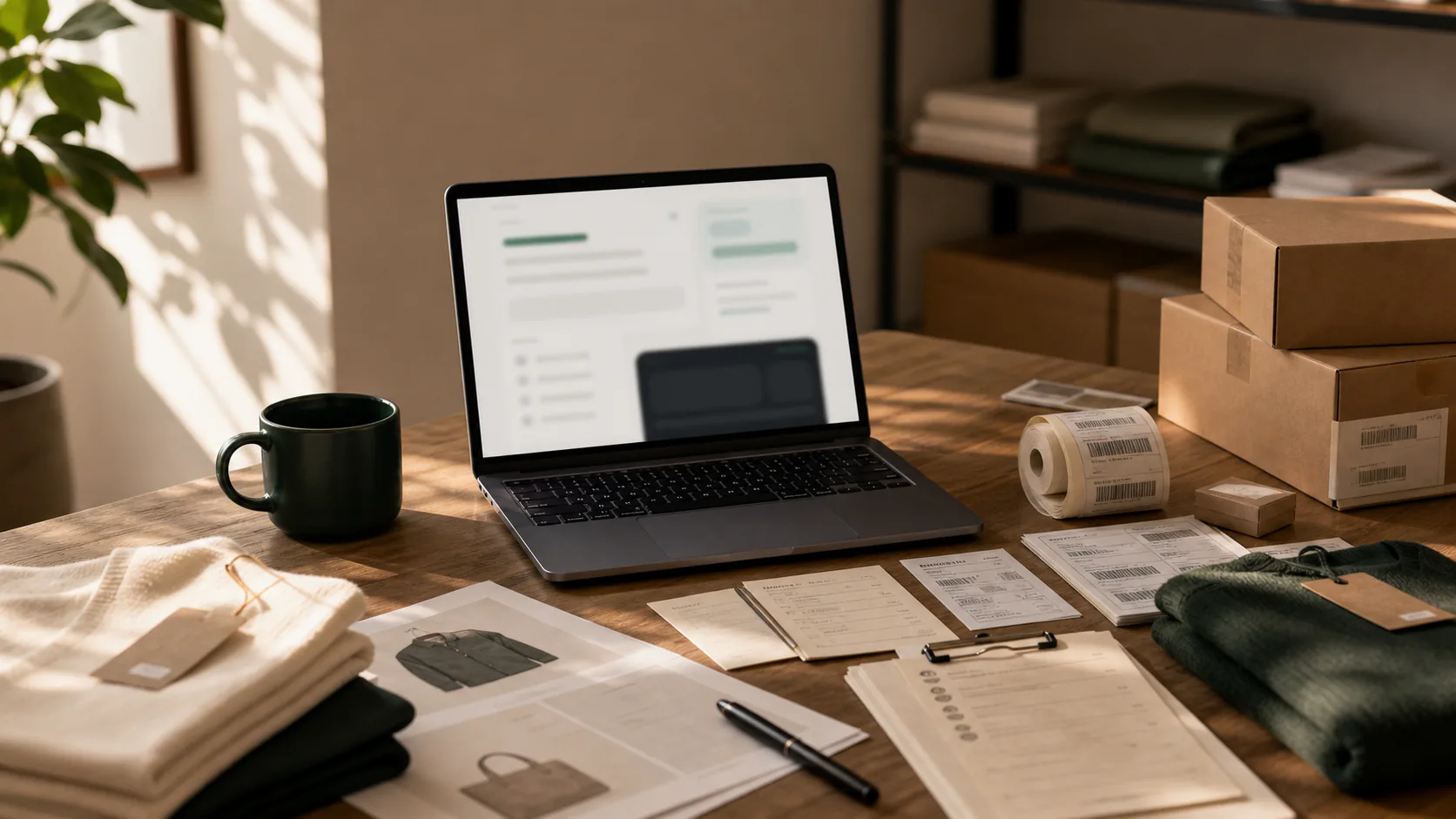
Third-party logistics, or 3PL, means you outsource the physical work of ecommerce fulfillment: receive inventory, store it, pick and pack orders, hand them to carriers, and often process returns. You still own the stock and the customer relationship; the 3PL owns labor, warehouse space, and day-to-day ops under a contract.
That is different from garage fulfillment, where your team packs every order, and from dropshipping, where a supplier owns the stock and ships under their own process. Brands move to a 3PL when order volume, SKU count, or multi-region shipping outgrows a spare room and a bathroom scale.
The bet is lower variable cost per order at scale, faster transit via better carrier rates, and less founder packing overtime if inventory accuracy and SLAs hold.
What a 3PL actually does day to day
At minimum, an ecommerce 3PL receives purchase orders or ASNs, put away inventory into bin locations, picks line items against your store orders, packs to your packaging rules, buys or applies carrier labels, and confirms shipment so tracking can sync back to Shopify or WooCommerce. Many also handle kitting, inserts, lot or expiry tracking, B2B wholesale pallets, and returns inspection.
You pay some mix of storage (by pallet, bin, or cubic foot), pick fees (per order and per line), packaging, outbound freight, and project work for special campaigns. The operating system is the integration. Orders should flow from your cart to the warehouse management system without a CSV ritual, and shipment confirmations should write tracking to the order so support and the customer see the same truth.
If your 3PL only emails tracking once a day, WISMO tickets will rise even when the truck left on time. Inventory adjustments, damaged stock, and returns dispositions need a clear owner and a daily or near-real-time feed, or your storefront will oversell.
When to leave garage or in-house fulfillment
Stay in-house while volume is low, SKUs are simple, and a small team can still hit next-day ship without heroic weekends. The break point is usually a combination of order count, SKU complexity, and geography: multi-zone shipping from one spare room gets expensive, fragile or regulated goods need process, and hiring seasonal packers in a residential space hits hard limits.
If your founders are still the packers, every growth spike steals product and marketing time. Move when the fully loaded cost of your time, rent, packing labor, and retail carrier rates exceeds a credible 3PL quote for the same service level, or when missed ship promises start showing up as refunds and chargebacks. Do not outsource a broken catalog. Clean SKU data, barcodes, and pack instructions first.
A 3PL multiplies your process; it does not invent one. For brands that need control over unbox experience or same-day local delivery, a hybrid (core SKUs in-house, overflow or remote regions at a 3PL) is often saner than an all-or-nothing switch.
SLAs and inventory accuracy are the real product
The brochure sells warehouse photos; you buy service levels. Define order cut-off time, percentage of orders shipped same day or next business day, pick accuracy (wrong item / missing item rate), receiving SLA from dock to available-to-sell, and how damages and short-ships are credited. Put measurement method in the contract: which system of record, how disputes are sampled, and what credits apply when the 3PL misses.
Without that, "99% accuracy" is a slogan. Inventory accuracy is the silent profit killer. Cycle counts, barcode scanning at pick, and disciplined receiving protect available-to-sell numbers in Shopify. When the WMS and the storefront drift, you oversell, cancel, and burn trust. Require a process for recounts when variance exceeds a threshold, and for freeze-and-fix on problem SKUs during promotions.
Your support AI and human agents can only tell the truth if the 3PL's on-hand quantity is real. Treat inventory accuracy as a weekly KPI next to ship-on-time, not a quarterly surprise.
Peak season, returns, and capacity risk
Peak is where 3PL relationships succeed or blow up. Black Friday, holiday, and product-drop spikes need reserved labor, carton supply, and carrier capacity booked early. Ask how the warehouse prioritizes your orders against other clients, what surge pricing applies, and whether receiving slows when outbound explodes. A 3PL that onboards you in October without a peak plan is selling you a January apology. Returns are half the post-purchase experience.
Decide who issues labels, where goods come back, how grading works (restock, refurbish, scrap), and how fast refund-eligible inventory reappears online. Slow returns processing inflates "where is my refund" tickets even when payment was released. If you sell apparel or high-return categories, walk the returns line during diligence the same way you walk outbound pick stations.
Capacity is not only outbound units per day; it is dock doors, reverse logistics, and whether your SKUs get attention when every client is on fire.
3PL vs dropshipping vs in-house
In-house fulfillment means you hold stock and your team ships: maximum control over pack quality and speed, and maximum burden on labor, space, and carrier negotiation. A 3PL means you still own the inventory, but a specialist runs warehouse labor and often better residential rates. You trade some control and margin for scale and process.
Dropshipping means you do not hold stock; a supplier or agent ships after the order, which lowers capital needs and raises variance in transit time, branding, and stock truth. Shopify's overview of what dropshipping is is a clean primer on that supplier-ships model. Choose by unit economics and promise to the customer.
If you sell a curated brand with tight delivery SLAs, owning inventory (in-house or 3PL) usually beats pure dropship on consistency. If you are testing demand on many SKUs with thin capital, dropshipping can validate before you commit to warehouse minimums. Many operators mix models: hero SKUs at a 3PL, long-tail or test products dropshipped, oversized items direct from a manufacturer.
The failure mode is selling a two-day promise on a dropship lane that averages twelve days, or paying 3PL storage on dead inventory you never should have bulk-bought.
Stack integration, cost structure, and inventory visibility
For Shopify and WooCommerce, evaluate native apps or middleware that map products, locations, and fulfillment orders without manual rekeying. Confirm how partial fulfills, split shipments, bundles, and multi-location inventory appear in the admin. Scope API access carefully when connecting automation or support tools so agents see live stock and tracking without over-broad admin rights.
Cost structure should be modeled on your real order profile: average lines per order, dimensional weight, return rate, and storage days, not the 3PL's sample brand. Build a landed cost per order that includes pick, pack, materials, outbound freight, storage allocation, and expected returns handling. Compare that to in-house fully loaded cost and to dropship COGS plus slow-shipping refund risk.
For support and AI agents, inventory and tracking visibility is non-negotiable: the bot that quotes "in stock" from a stale cache creates cancellations; the bot that cannot read 3PL tracking creates chargeback-prone WISMO silence. Connect the WMS events to the same order context your helpdesk uses, and alert when confirmations lag the physical ship. The 3PL is only "outsourced" on labor; accountability for the customer promise stays on your brand.
Common questions
Frequently asked questions
What is a 3PL in ecommerce?
A 3PL is a third-party logistics provider that warehouses your inventory and handles pick, pack, and ship for customer orders. You own the stock and brand; they run the physical fulfillment under contract SLAs.
How is a 3PL different from dropshipping?
With a 3PL you own the inventory in their warehouse. With dropshipping a supplier owns the stock and ships after each sale. 3PL usually means more control and capital tied in stock; dropshipping means less capital and more variance in speed and branding.
When should a brand leave in-house fulfillment for a 3PL?
When order volume, SKU complexity, or multi-region shipping outgrows your space and team, or when fully loaded in-house cost and missed ship promises exceed a 3PL quote for the same service level.
Which 3PL SLAs matter most?
Order cut-off and ship-on-time rate, pick accuracy, receiving time to available-to-sell, returns turnaround, and written peak capacity terms. Inventory accuracy between the WMS and your storefront belongs on that same list.
How do 3PLs connect to Shopify or WooCommerce?
Through native apps or middleware that pull orders, push tracking and inventory, and map locations or fulfillment orders. Test partial ships, bundles, and returns before peak so support sees the same data as the warehouse.
Related terms